

Lighting plays a critical role in shaping the ambiance and aesthetic of a property, especially in outdoor spaces. For homeowners and designers in New Jersey, selecting the correct color temperature is essential for enhancing stonework, brick facades, and landscaped areas. The difference between warm and cool lighting goes beyond personal preference, it affects perception, comfort, and the overall visual appeal of exteriors. Understanding the Kelvin scale and the effects of warm versus cool tones can help homeowners make informed decisions when working with an NJ exterior lighting company.
Architectural Outdoor Lighting emphasizes the importance of professional guidance when choosing color temperatures, ensuring that lighting complements architecture, landscape features, and outdoor functionality. By integrating the right tones, outdoor spaces become inviting, safe, and visually cohesive.

Understanding Color Temperature and the Kelvin Scale
Color temperature is measured in Kelvin (K) and refers to the hue of light produced by a source. It ranges from warm, yellowish tones to cool, bluish hues. Understanding this spectrum is crucial for selecting outdoor lighting that enhances a home’s architectural features.
- Warm White (2700K–3000K): Produces a soft, inviting glow reminiscent of candlelight or incandescent bulbs. Ideal for stone, brick, and natural materials.
- Neutral White (3500K–4000K): A balanced tone that works for modern exteriors, but may appear slightly cooler than traditional residential lighting.
- Cool White (5000K–6500K): Produces a bright, blue-tinted light. While suitable for commercial areas or security lighting, it can appear harsh and uninviting on residential exteriors.
Choosing the appropriate color temperature ensures that lighting enhances textures, complements colors, and creates a cohesive nighttime aesthetic.
Why Warm White Is Preferred for Residential NJ Exteriors
Warm white lighting, typically around 2700K, is widely favored for residential stone and brickwork. The reasons include:
- Enhances Natural Materials
Stone and brick have inherent textures and tones that are accentuated by warm light. Cool tones can wash out the subtle variations, making facades look flat or unnatural. - Creates a Welcoming Atmosphere
Warm tones evoke a sense of comfort and hospitality. They are ideal for entryways, patios, gardens, and seating areas where people gather. - Reduces Harsh Shadows
Warm light produces softer shadows that highlight architectural details without creating harsh contrasts that can feel cold or sterile. - Matches Traditional Residential Aesthetics
Many New Jersey homes feature classic or colonial-inspired designs. Warm lighting maintains a timeless, elegant appearance that aligns with traditional exterior elements.
When Cool Tones Are Appropriate
While warm white is preferred for most residential applications, there are situations where cool lighting may be suitable:
- Security lighting for driveways and pathways
- Highlighting modern or industrial architecture
- Illuminating work areas in outdoor kitchens or garages
However, even in these cases, balancing cool lighting with warm accent lights can create a more inviting atmosphere while retaining functionality.
Layering Color Temperatures for a Cohesive Design
Experienced NJ exterior lighting companies often blend warm and neutral tones to create balance while emphasizing key features. Examples include:
- Warm uplights on stone or brick walls for ambiance
- Neutral or slightly cooler path lights to enhance visibility
- Accent lighting on trees, sculptures, or fountains using warm tones to create depth
Layering color temperatures allows homeowners to enjoy both safety and aesthetic appeal without compromising the overall feel of the space.
Selecting the Right Fixtures
Choosing the right fixture type and placement is as important as selecting the correct color temperature:
- Recessed or embedded fixtures: Ideal for steps, walls, and hardscape integration, keeping the light subtle and unobtrusive.
- Uplights and downlights: Highlight textures and architectural features without causing glare.
- Adjustable LEDs: Allow homeowners to fine-tune the direction, brightness, and sometimes color temperature for versatility throughout the seasons.
Partnering with Architectural Outdoor Lighting ensures that all fixtures match the chosen color temperature and are built to withstand New Jersey’s outdoor conditions.
The Impact on Landscape and Outdoor Features
Color temperature doesn’t only affect structures, it influences the perception of surrounding landscaping:
- Warm lighting enhances greenery and flowers, making gardens appear lush and inviting.
- Cool lighting can make foliage look pale or unnatural at night.
- Water features such as pools and fountains reflect light differently depending on the tone, with warm lighting creating shimmering, spa-like effects.
By coordinating fixture placement and color temperature, homeowners can achieve a harmonious nighttime environment.
Energy Efficiency and Long-Term Considerations
Modern LED technology allows for energy-efficient outdoor lighting without sacrificing color quality. Warm white LEDs offer:
- Longevity and durability for exterior conditions
- Lower energy consumption compared to traditional incandescent bulbs
- Minimal maintenance, reducing long-term operational costs
Investing in the correct color temperature and professional design ensures both aesthetic appeal and sustainability.
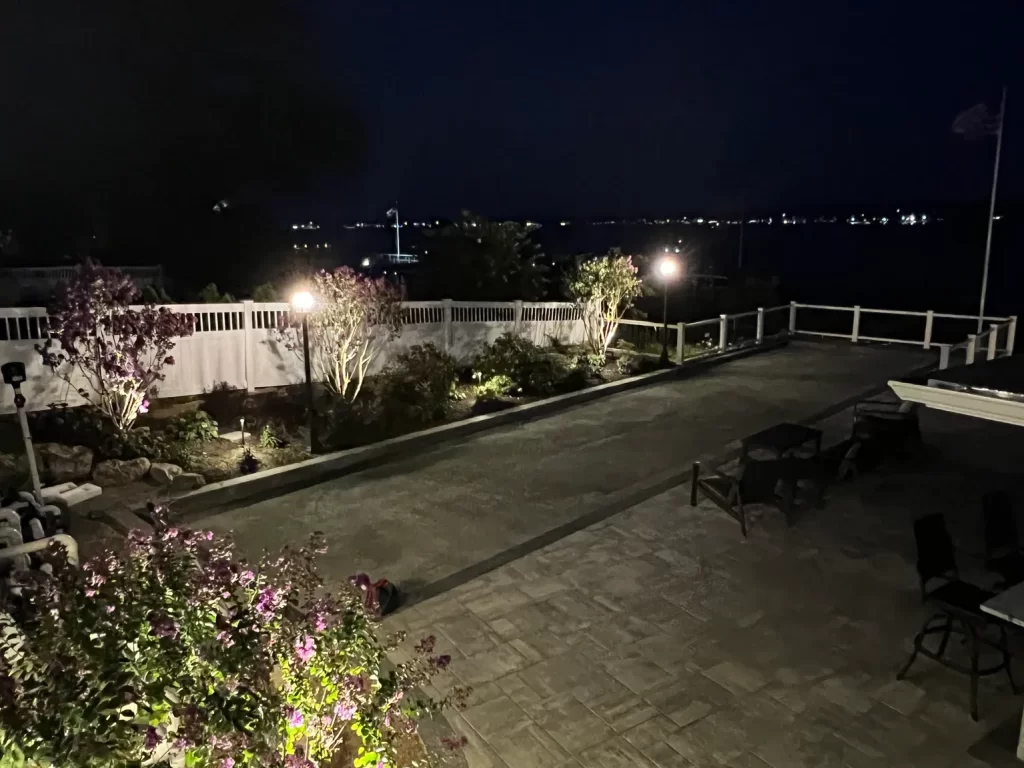
Enhancing Nighttime Curb Appeal in New Jersey
Choosing the right color temperature has a profound impact on curb appeal. Warm tones highlight architectural details, welcome guests, and create a visually appealing façade after sunset. For New Jersey homeowners seeking a refined, elegant look, collaborating with an NJ exterior lighting company ensures the right balance of warmth, functionality, and visual impact.
By integrating warm white lighting with complementary neutral tones and strategically placed fixtures, homeowners can create outdoor spaces that are inviting, safe, and visually striking.
Using professional guidance ensures that every home exterior, from colonial brick to contemporary stone, looks its best at night. A well-planned lighting system enhances the beauty of the property, improves usability, and highlights unique features, all while remaining subtle and sophisticated.
FAQs
What is color temperature in outdoor lighting?
Color temperature refers to the hue of light, measured in Kelvin, ranging from warm yellow tones to cool blue tones.
Why is 2700K preferred for residential exteriors?
2700K produces a warm, candlelit glow that complements stone and brick, creating an inviting and visually appealing ambiance.
Can cool tones be used in residential lighting?
Yes, but they are typically reserved for security, modern architecture, or work areas. Balancing with warm accents prevents harsh, uninviting effects.
How does color temperature affect landscape lighting?
Warm tones enhance natural colors in foliage and flowers, while cool tones can make plants appear washed out or unnatural at night.
Why hire a professional NJ exterior lighting company?
A professional ensures the correct color temperature, fixture placement, and integration with architecture and landscape, creating both safety and aesthetic appeal.