

Homeowners with carefully designed gardens often place outdoor sculptures and garden art at the heart of their landscape. While these pieces can be appreciated during the day, their impact can diminish once the sun sets. Proper outdoor lighting transforms these installations, creating an elegant nighttime gallery that highlights their beauty, texture, and detail.
For those investing in high-end outdoor spaces, outdoor lighting New Jersey offers unique opportunities to showcase art under the night sky. By using precise beam angles, careful color rendering, and professional placement, garden art can become a striking focal point that elevates the entire property.
Professionally designed systems, such as those offered by Architectural Outdoor Lighting, ensure that sculptures, fountains, and decorative pieces are illuminated safely, effectively, and with visual sophistication.
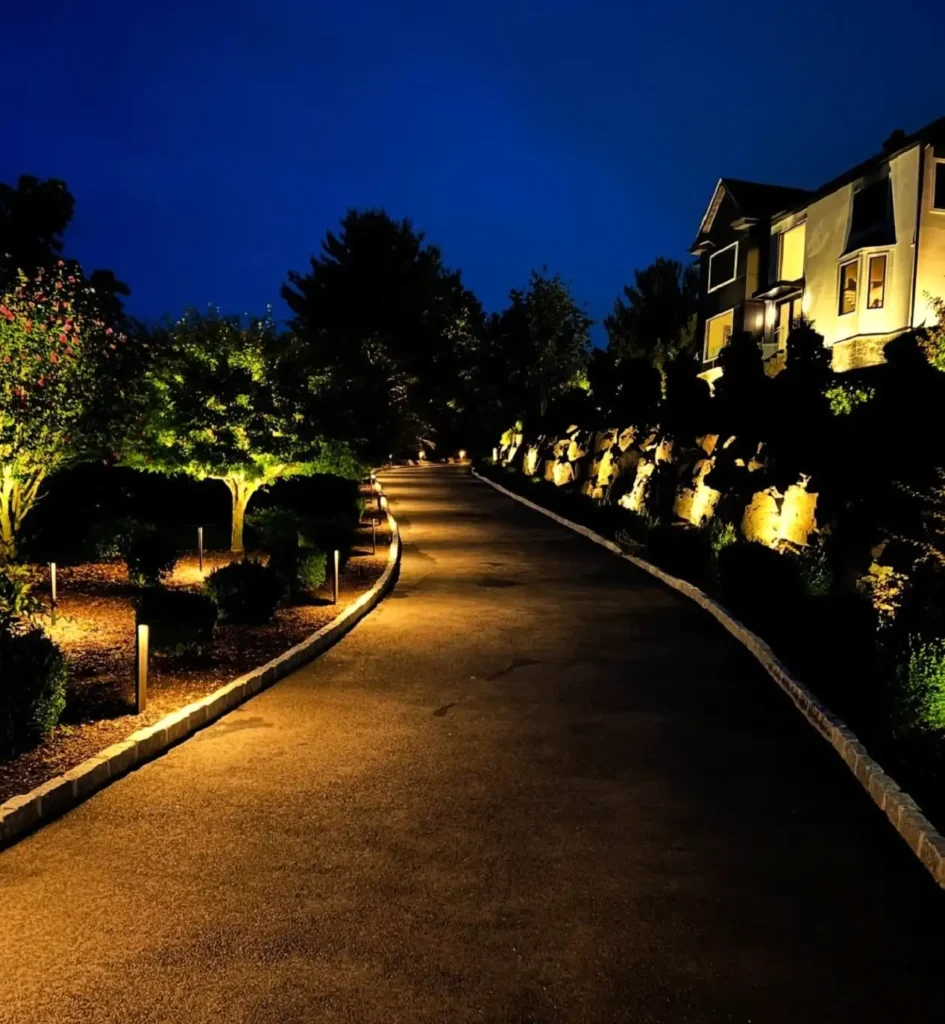
The Importance of Lighting in Outdoor Art Display
Proper illumination can completely change how outdoor art is experienced. Without careful planning, sculptures can become shadowed or lost in darkness, diminishing their intended effect. Thoughtful illumination draws attention to form and texture, highlights materials and finishes, creates dramatic shadows for added depth, and guides visitors through the garden space at night.
Using lighting strategically allows the artwork to retain its presence after dark while contributing to the overall ambiance of the garden.
Understanding Beam Angles and Placement
Beam angles determine how light interacts with the artwork and the surrounding environment. Selecting the correct angle is critical for achieving visual clarity and avoiding unwanted glare.
Narrow beams focus light on a specific detail or section of a sculpture. This technique is ideal for highlighting intricate carvings, drawing attention to textures or surface finishes, and creating focal points in larger garden spaces.
Wide beams illuminate broader surfaces, providing a softer wash of light that emphasizes the full form of the sculpture. This approach works well for large installations, sculptures with flowing lines, or groupings of art where uniform lighting is desired.
Correct fixture placement is as important as beam angle. Lights can be placed at ground level to create upward highlights and dramatic shadows, slightly above or to the side for softer illumination, or behind a sculpture to create silhouetting and contrast. Working with professionals ensures that lighting is aligned to emphasize the sculpture’s best features while maintaining a balanced garden aesthetic.
The Role of Color Rendering
Color rendering plays a significant role in how garden art is perceived at night. LED fixtures with high color rendering index (CRI) values reveal the true colors of the sculpture material, enhance finishes such as bronze, stone, or metal, and maintain a natural look without distortion under artificial lighting.
Proper color rendering ensures that the artwork remains visually striking while integrating harmoniously with surrounding foliage and architectural elements.
Layering Lighting for an Outdoor Gallery Effect
For a cohesive outdoor gallery, it is often best to combine multiple lighting techniques. Accent lighting focuses on individual sculptures, uplighting adds depth and dimension, path lighting guides visitors through the garden, and downlighting from pergolas or trees provides soft, ambient illumination.
This layered approach provides a sense of drama and elegance, encouraging viewers to explore the garden and experience the artwork from multiple perspectives.
Highlighting Different Types of Outdoor Art
Different forms of garden art require tailored lighting strategies.
Sculptures benefit from a combination of uplights and side lights to emphasize contours and create three-dimensional effects. Shadows cast by uplighting can add dynamic visual interest.
Fountains can be illuminated with submersible lights or spotlights positioned around the basin, highlighting movement and creating reflective surfaces that enhance the surrounding garden.
Wall-mounted art, such as reliefs, benefits from angled lighting that reveals depth without creating harsh shadows or glare.
Mixed-media art, which combines different materials, is best highlighted using adjustable LED fixtures that allow each element to be illuminated appropriately, emphasizing texture, color, and form.
Integrating Garden Art Lighting Into a Landscape Design
Lighting outdoor art should complement the overall landscape design. Considerations include the relationship between the sculpture and nearby plants, how lighting affects pathways and circulation, avoiding over-illumination that competes with other design elements, and maintaining safety and visual comfort.
Professionals from Architectural Outdoor Lighting design systems that integrate seamlessly into the garden while emphasizing key pieces as focal points.
Seasonal and Flexible Lighting Options
Outdoor galleries often benefit from lighting that can adapt to seasons, events, or special occasions. Dimmable fixtures allow adjustments for intimate evenings or social gatherings. Color-tunable LEDs can enhance seasonal displays or highlight particular features. Timers and smart controls improve energy efficiency and convenience.
Flexible systems ensure that the garden remains a visually engaging space throughout the year.
Safety Considerations
When illuminating outdoor art, safety cannot be overlooked. Ensure all fixtures are rated for outdoor use and weather-resistant, use low-voltage or properly grounded systems to reduce electrical hazards, and conceal wiring to maintain aesthetic integrity and prevent accidents.
Professional installation guarantees that safety and aesthetics are both addressed.

Transforming Gardens Into Nighttime Art Galleries
With professional design, outdoor sculptures and garden art are not limited to daylight appreciation. Carefully planned lighting can create an inviting pathway for evening strolls, highlight textures, shapes, and materials for dramatic effect, and encourage guests to experience the garden from multiple perspectives.
Using outdoor lighting, New Jersey experts ensure that every piece is showcased effectively, turning a backyard into an illuminated gallery space. Lighting transforms the garden into a place of discovery, where shadows, highlights, and reflections bring each artwork to life, creating a sophisticated nighttime experience.
FAQs
What is the best way to light outdoor sculptures?
Using uplights, side lights, and carefully chosen beam angles allows sculptures to be highlighted for depth, texture, and visual impact.
Why is color rendering important in garden lighting?
High color rendering ensures materials and finishes appear natural and vibrant under artificial light, enhancing the beauty of the art.
Can outdoor lighting highlight multiple pieces in a garden?
Yes. Layered lighting techniques can create an outdoor gallery effect, drawing attention to multiple sculptures and art installations.
Is professional installation necessary for outdoor art lighting?
Professional installation ensures precise placement, optimal beam angles, proper wiring, and compliance with safety standards.
How can lighting complement the overall garden design?
Lighting should integrate with pathways, plantings, and architectural elements to enhance aesthetic appeal and create a cohesive nighttime environment.
FAQs
What is the best way to light outdoor sculptures?
Using uplights, side lights, and carefully chosen beam angles allows sculptures to be highlighted for depth, texture, and visual impact.
Why is color rendering important in garden lighting?
High color rendering ensures materials and finishes appear natural and vibrant under artificial light, enhancing the beauty of the art.
Can outdoor lighting highlight multiple pieces in a garden?
Yes. Layered lighting techniques can create an outdoor gallery effect, drawing attention to multiple sculptures and art installations.
Is professional installation necessary for outdoor art lighting?
Professional installation ensures precise placement, optimal beam angles, proper wiring, and compliance with safety standards.
How can lighting complement the overall garden design?
Lighting should integrate with pathways, plantings, and architectural elements to enhance aesthetic appeal and create a cohesive nighttime environment.