

Luxury properties are often defined by their architectural details, grand facades, sculpted trees, decorative columns, and artistic landscaping. While these features are stunning during the day, they can fade into darkness once the sun sets. This is where luxury outdoor home lighting becomes an essential design element.
One of the most visually striking lighting techniques used by professionals is silhouetting. This method involves placing lighting behind an object to create a bold outline against a softly illuminated background. The result is a dramatic visual effect that highlights the shape and structure of architectural elements or landscape features.
When carefully planned, silhouetting transforms nighttime landscapes into elegant visual compositions, adding depth, sophistication, and a sense of mystery to luxury homes.
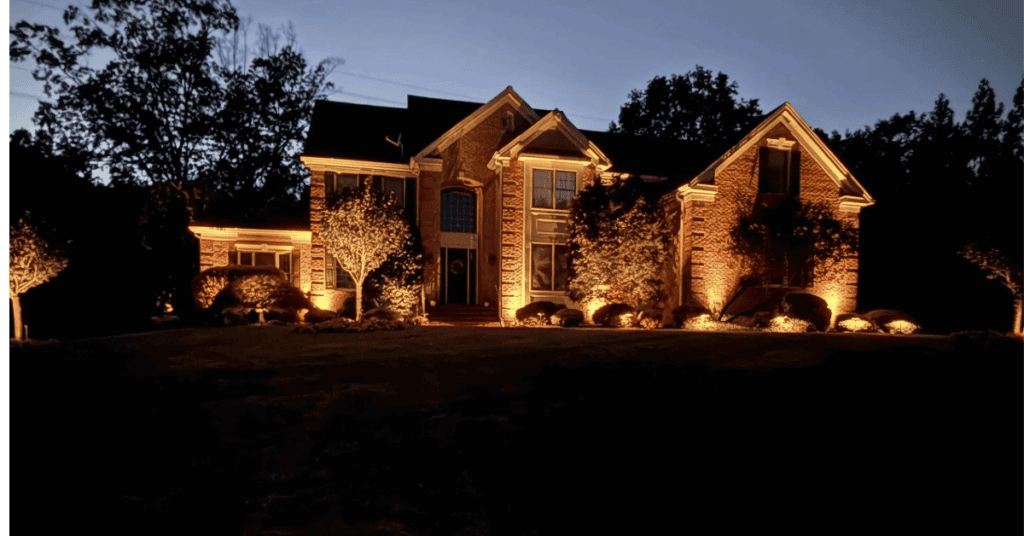
Understanding the Silhouetting Lighting Technique
Silhouetting is a lighting technique that places a light source behind a feature such as a tree, sculpture, or architectural structure so that the object appears as a dark outline against a brighter surface.
The background surface, often a wall, fence, or building facade, reflects the light, allowing the shape of the object to stand out clearly. The contrast between light and shadow is what creates the dramatic effect.
For silhouetting to work properly, several elements must align:
- A vertical surface behind the subject
- A lighting fixture placed between the subject and the surface
- Proper beam angles to illuminate the background without overpowering the scene
This technique is widely used in luxury outdoor home lighting designs because it enhances visual interest without flooding the space with excessive brightness.
Why Silhouetting Works So Well in Luxury Landscapes
Silhouetting is especially effective in upscale outdoor spaces because it highlights form, texture, and negative space.
Instead of simply lighting an object directly, the technique emphasizes its shape and character, creating a more artistic nighttime presentation.
Creates dramatic visual impact
Silhouetted features appear bold and eye-catching, instantly drawing attention in a landscape design.
Adds depth to outdoor spaces
Layering lighting techniques such as silhouetting and uplighting prevents landscapes from appearing flat and adds visual dimension.
Highlights architectural design
Columns, trellises, pergolas, and decorative garden structures become powerful design elements when silhouetted against illuminated surfaces.
Maintains a refined atmosphere
Because the light source is hidden from view, the effect feels elegant and understated rather than overly bright.
Professionals like those at Architectural Outdoor Lighting often incorporate silhouetting into lighting plans to highlight architectural character while preserving a calm nighttime ambiance.
Ideal Features for Silhouetting
Not every landscape element is suitable for this technique. The most successful silhouettes feature distinctive shapes or patterns.
Ornamental trees
Trees with interesting branching structures create stunning silhouettes when positioned in front of a wall or fence.
Popular choices include:
- Japanese maple
- Olive trees
- Crepe myrtle
- Palm trees
Their intricate forms create beautiful shadow patterns when illuminated from behind.
Sculptures and garden art
Outdoor artwork becomes a striking focal point when silhouetted. Placing a light source behind a sculpture emphasizes its profile while maintaining an artistic nighttime atmosphere.
Architectural elements
Luxury homes often feature structures that work perfectly with silhouetting, including:
- Decorative columns
- Pergolas
- Privacy screens
- Garden gates
- Trellises
These architectural features gain visual prominence at night through carefully placed lighting.
Planters and shaped landscaping
Symmetrical planters or sculpted topiaries can also produce elegant silhouettes, particularly near entryways or courtyard gardens.
Best Locations to Use Silhouetting
Strategic placement is essential for achieving the desired visual effect.
Exterior walls
Flat exterior walls act as an ideal background surface. Lighting placed between a tree and the wall creates a crisp outline that stands out clearly.
Courtyards
Courtyard gardens often contain sculptural trees or statues that become dramatic focal points when silhouetted against surrounding walls.
Entryways
A silhouetted tree or decorative element near the entrance creates a memorable first impression for guests.
Pool areas
Palm trees or ornamental plants around a pool can create a luxury resort atmosphere when silhouetted against architectural surfaces.
Choosing the Right Lighting Fixtures
Successful silhouetting depends heavily on selecting the right fixtures and installation methods.
Shielded fixtures
Fixtures should be concealed from direct view to preserve the dramatic effect and reduce glare.
Adjustable beam angles
Precise beam angles help focus light on the background surface while maintaining the silhouette of the subject.
Warm color temperatures
Warm lighting in the 2700K to 3000K range creates a welcoming glow that enhances natural textures and architectural materials.
Combining Silhouetting With Other Lighting Techniques
Silhouetting works best as part of a layered lighting design rather than as a single technique.
Professional designers often combine it with other approaches such as:
- Uplighting to illuminate tree canopies
- Path lighting to guide walkways
- Downlighting for soft ambient illumination
- Accent lighting to highlight textures or architectural details
A balanced lighting plan creates depth and visual harmony throughout the landscape.
Many homeowners seek guidance from specialists in luxury outdoor home lighting to ensure these techniques work together seamlessly.
Common Silhouetting Mistakes to Avoid
Although the technique appears simple, incorrect installation can reduce its effectiveness.
Incorrect fixture placement
If the fixture is placed too far from the object, the silhouette may appear soft or unclear.
Excessively bright lighting
Too much brightness can wash out the contrast between the object and the background surface.
Poor background surfaces
Uneven or heavily textured walls may distort the silhouette effect.
Overusing the technique
Using silhouetting on too many elements can reduce its visual impact. Selective placement creates stronger focal points.
Professionals from Architectural Outdoor Lighting carefully evaluate each landscape feature to ensure silhouetting enhances the property without overwhelming the overall design.
Enhancing Property Appeal With Luxury Outdoor Home Lighting
Outdoor lighting is not just decorative, it can significantly improve the nighttime experience of a property.
Luxury estates often rely on lighting to showcase architectural character after sunset. Silhouetting creates striking nighttime visuals that enhance the beauty of gardens, courtyards, and entryways.
This technique contributes to:
- Enhanced nighttime curb appeal
- Greater architectural visibility
- Memorable landscape design
- A refined and sophisticated atmosphere
When executed thoughtfully, luxury outdoor home lighting transforms ordinary outdoor spaces into immersive nighttime environments.
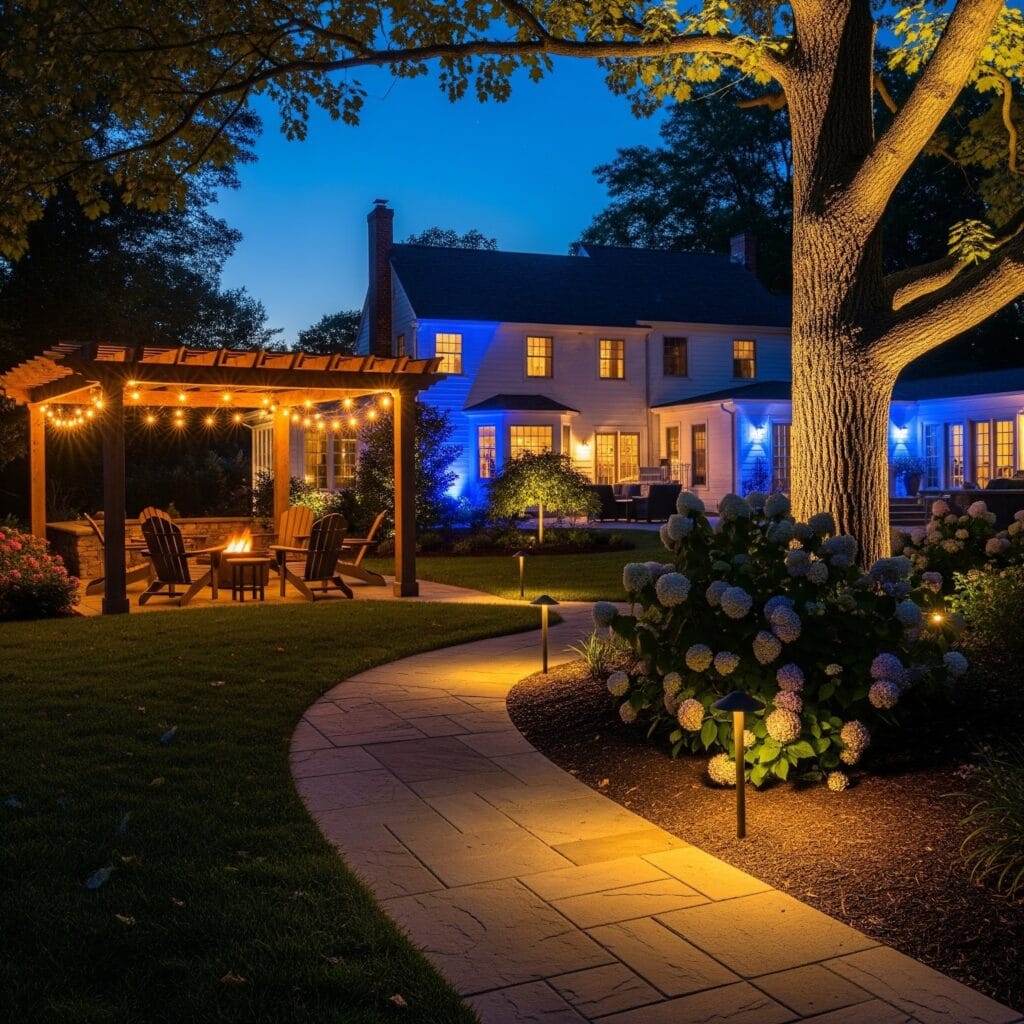
A Final Look at Dramatic Luxury Outdoor Home Lighting Design
Silhouetting is an artistic lighting technique that highlights shapes instead of simply illuminating objects. By placing light behind architectural elements or landscape features, designers create dramatic contrasts that capture attention and add depth to outdoor environments.
From ornamental trees to sculptural garden features, silhouetting can transform the nighttime appearance of a luxury property. When combined with a comprehensive lighting plan, this method becomes an essential component of luxury outdoor home lighting design.
With the right placement, fixtures, and design expertise, homeowners can turn their landscapes into elegant nighttime showcases that enhance both beauty and atmosphere.
FAQs
What is silhouetting in landscape lighting?
Silhouetting is a technique where lighting is placed behind an object so that the object appears as a dark outline against an illuminated background surface.
What types of landscape features work best for silhouetting?
Trees with unique branching patterns, sculptures, garden structures, and decorative architectural elements are ideal for this lighting technique.
Can silhouetting be used in residential landscapes?
Yes. Silhouetting works well in residential landscapes, especially when highlighting ornamental trees, courtyard features, or architectural elements.
Does silhouetting require professional installation?
While it can be attempted as a DIY project, professional designers understand proper placement and lighting angles, ensuring the effect looks dramatic and balanced.
How does silhouetting enhance luxury outdoor home lighting?
Silhouetting adds depth, contrast, and visual interest to landscapes, helping create sophisticated nighttime environments that complement luxury properties.